Remodeling trends 2026: wellness spaces fuel high-ticket growth
.png)
Why wellness is the highest-value remodeling category right now
The wellness design shift isn't a style trend. It's a fundamental change in what homeowners believe their homes are for. We see this constantly in our work with high-ticket remodeling contractors: the clients who convert fastest and spend the most aren't responding to "beautiful kitchen" ads. They're responding to messaging that speaks to how they want to feel inside their home.
This matters for your pipeline because wellness-driven projects command premium budgets. A spa bathroom integration with a steam shower, cold plunge, and circadian lighting system isn't a $15,000 job. A dedicated breathwork room with acoustic treatment, natural light optimization, and biophilic materials isn't either. These are $60,000 to $150,000+ scopes, the kind of projects that justify your estimator's time and your sales cycle.
The shift is real and it's accelerating. The Global Wellness Institute's 2026 architecture and design initiative identifies neuroarchitecture as an emerging practice that uses neuroscience principles to design for cognition, mood, and stress reduction through lighting, acoustics, ceiling heights, and material selection. That's not a niche anymore. That's what affluent homeowners are asking their contractors about.
What homeowners actually want built in 2026
Dedicated wellness and quiet spaces. Home gyms have given way to something more specific. Homeowners are requesting breathwork corners, meditation rooms, and stillness zones, often simple builds with natural light, acoustic softness, and minimal visual clutter. The design brief isn't "make it look like a spa." It's "make me feel like I can exhale." These rooms are straightforward to build but require a contractor who can speak the language of function, not just finish.
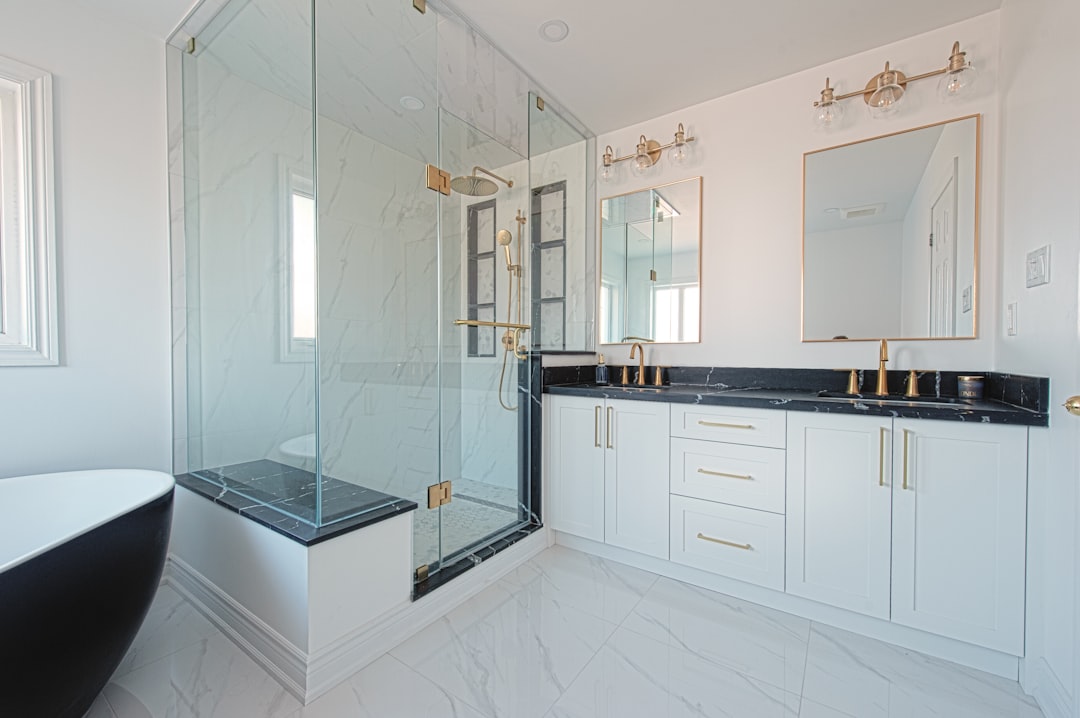
Spa-inspired bathrooms with recovery features. Steam showers, cold plunge tubs, infrared sauna alcoves, and radiant floor heat are moving from luxury outliers to standard requests among the $500K+ home renovation segment. These are complex builds that require coordination across plumbing, electrical, HVAC, and finish work, exactly the kind of project where a design-build firm earns its margin.
Biophilic design throughout the home. "Biophilic maximalism" is the phrase designers are using in 2026 to describe the layering of natural materials, textures, and organic forms across an entire interior. Limewash wall finishes, woven wall coverings, exposed wood beams, and indoor living walls aren't accent features anymore. They're the design system. Homeowners want natural light maximized, air quality addressed, and materials that reference the natural world rather than industrial production.
Neuroarchitecture elements. Circadian lighting systems that shift color temperature from morning to evening, acoustic panels integrated into millwork, and ceiling heights designed to reduce cognitive load are showing up in renovation briefs from homeowners who've done their research. These clients aren't tire kickers. They've spent months thinking about what they want. When they reach out, they're ready to spend.
Warmth over sterile minimalism. The cold, white, all-minimalism aesthetic is losing ground fast. Homeowners in 2026 want tactile surfaces, calming earth-tone palettes, and indoor-outdoor flow that makes a home feel restorative rather than staged. This plays directly into renovation scopes: new flooring materials, kitchen redesigns with natural stone and warm wood, and outdoor living extensions that function year-round.
How to position your remodeling business to capture this demand
The problem most remodeling contractors run into isn't that the demand isn't there. It's that their advertising doesn't signal to wellness-motivated buyers that they're the right firm. A generic "kitchen remodel" ad attracts generic inquiries. If you want to attract the homeowner who's planning a $120,000 whole-home wellness renovation, your creative needs to speak directly to their intent.
This is where video-first Meta advertising does what static ads can't. A 30-second video showing a before-and-after transformation of a dim, cluttered spare room into a sunlit breathwork space communicates craftsmanship, atmosphere, and outcome simultaneously. It builds trust before the first contact, which means the inquiries you get are warmer and more pre-qualified. Our 8.9x ROAS campaign case study shows exactly this dynamic: trust-based targeting built around a specific ideal customer profile outperforms broad generic ads every time, across home improvement categories.
Your ad hooks for wellness remodeling in 2026 should sound like this:
- "Your home should help you recover, not add to the noise."
- "What if your bathroom was the most restorative room in your house?"
- "Most homeowners spend 90% of their time indoors. We design for how that feels."
These hooks filter for the right buyer. Someone who responds to "your home should help you recover" is not the same person who calls about a $15,000 kitchen refresh. They're thinking about a $90,000 whole-home renovation with a wellness lens.
On the qualification side, your intake process needs to do the work your ads can't. Ask incoming leads: "Describe the experience you want to create in this space." The answer tells you immediately whether you're talking to someone with a real vision and a real budget, or someone who saw a Pinterest board and wants it done for nothing. We build this kind of qualification logic directly into the lead systems we run for high-ticket home improvement clients, and it's one of the main reasons our clients stop wasting estimator time on unqualified inquiries.
What does this mean for your sales cycle and pipeline predictability?
Wellness remodeling buyers have longer consideration cycles. They're not calling three contractors and picking the lowest bid. They're researching, watching, and deciding who they trust before they ever fill out a form. That's actually good news for contractors who are willing to show up consistently in front of the right audience.
Meta advertising is the right channel for this because it lets you reach homeowners before they're actively searching. You're not competing on Google for "bathroom remodel near me" against every contractor in your market. You're building familiarity and authority with a specific audience — homeowners aged 45 and up, in high-income zip codes, who are already consuming wellness content — before they've even decided to start getting quotes.
The contractors who win in this environment aren't running one-off promotions. They're running structured acquisition systems that consistently put their work in front of the right people, qualify those people before they reach an estimator, and book appointments with prospects who already understand the investment level. The results Imediaal has generated across home improvement clients give you a concrete picture, including a kitchen client who closed $60K CAD in the first two weeks of running a structured campaign.
For context on what strong performance looks like in your category, our breakdown of Meta ads ROAS benchmarks for contractors in 2026 is worth reading alongside this.
Wellness isn't a design trend you can afford to ignore. It's the positioning layer that separates high-ticket remodeling firms from the contractors competing on price. Contractors who align their messaging, creative, and qualification process around wellness outcomes will attract a fundamentally different buyer: one with a specific vision, a real budget, and a timeline. If you're ready to build a consistent pipeline of those buyers rather than waiting on the next referral, submit your intake form to see if your business qualifies for a partnership with Imediaal.
Frequently asked questions
What wellness remodeling projects have the highest average project values in 2026?
Spa bathroom integrations with steam showers, cold plunge tubs, and infrared sauna alcoves consistently command the highest budgets, often ranging from $60,000 to $150,000 or more depending on scope and material selection. Dedicated wellness rooms with acoustic treatment, circadian lighting, and biophilic materials are close behind. Whole-home wellness renovations that incorporate neuroarchitecture principles across multiple rooms represent the top of the range for design-build firms targeting affluent homeowners.
How do I attract homeowners who actually have the budget for high-end wellness renovations?
The most effective approach is to lead your advertising with outcome-based messaging that speaks to how a wellness space will feel, not just how it will look. Video-first Meta ads targeting high-income homeowners aged 45 and up in premium zip codes, combined with an intake form that asks prospects to describe their vision, filters out low-budget inquiries before they reach your estimator. Generic "remodel your bathroom" ads attract generic buyers. Specific wellness-oriented creative attracts buyers with specific, funded intentions.
Are wellness remodeling trends just a passing fad or a durable market shift?
The shift is structural, not cyclical. Homeowners are redesigning how they think about what a home is for, moving from aesthetic upgrades toward spaces that actively support mental and physical recovery. The Global Wellness Institute's 2026 architecture initiative identifies neuroarchitecture and circadian design as mainstream emerging practices, not experimental niches. Contractors who build positioning around wellness outcomes now are establishing authority in a category that will continue growing as affluent homeowners prioritize health-driven design.
What does a wellness remodeling ad look like on Meta that actually converts?
The most effective Meta ads for wellness remodeling use short-form video showing before-and-after transformations of functional wellness spaces: a dim spare room becoming a sunlit breathwork nook, a standard bathroom becoming a spa enclave with steam and stone. The hook speaks to feeling, not aesthetics. "Your home should help you recover" outperforms "beautiful bathroom remodel" for attracting buyers with real budgets. Trust-based creative that builds authority before the first contact reduces cold lead friction and improves appointment show rates.
How long is the sales cycle for high-ticket wellness renovation projects?
Expect six to twelve months from first awareness to signed contract for projects in the $75,000 to $150,000 range. Wellness renovation buyers research extensively, consume a lot of visual content, and make decisions based on trust in the contractor's expertise and aesthetic alignment. This makes consistent top-of-funnel advertising essential. You need to be visible to the right audience over a sustained period, not just when a homeowner is actively requesting quotes. A structured acquisition system that runs continuously outperforms any one-off campaign for this buyer type.
Can Meta ads work for remodeling contractors, or is it mostly low-quality leads?
Meta ads produce low-quality leads when the targeting is too broad and the creative is generic. When targeting is built around a specific ideal customer profile — income level, homeownership status, geographic area, and content consumption patterns — and the creative speaks directly to a specific outcome, lead quality improves substantially. The qualification system matters as much as the ads themselves: without a structured intake process that screens for budget and project specificity, even well-targeted ads will generate some unqualified inquiries. The combination of precise targeting, trust-building creative, and a qualification layer is what separates a system that fills your pipeline from one that wastes your time.
Sources
- Global Wellness Institute, 2026 — Wellness Architecture Design Initiative identifying neuroarchitecture and circadian design as mainstream 2026 trends.
Ready To Fill Your Pipeline On Autopilot?
We take on a limited number of new clients per quarter. Fill out the intake form and we'll assess whether your business qualifies for a partnership.

